
Views: 0 Author: Site Editor Publish Time: 2026-01-29 Origin: Site


Solid surface countertops are a favorite among homeowners and designers for their seamless appearance, durability, and versatility. Whether you're remodeling a kitchen or upgrading a bathroom vanity, knowing how to work with this material can save you time and money. While cutting a solid surface countertop might sound intimidating, it is a manageable task if you have the right tools and techniques.
This guide answers the most common questions about cutting solid surface materials, walking you through the process step-by-step to ensure a professional finish.
Before you make your first cut, it is crucial to gather the right equipment. Using improper tools can lead to chipped edges, uneven cuts, or even damage to the material. Because solid surface materials are composed of acrylic or polyester resins mixed with mineral fillers, they are dense and require specific cutting blades.
Here is a quick checklist of the essential tools required:
Tool Category | Specific Item | Purpose |
|---|---|---|
Cutting | Circular saw | For making long, straight cuts. |
Blades | Carbide-tipped blade (Triple Chip Grind) | To prevent chipping and ensure a smooth edge. |
Safety | Safety goggles & dust mask | To protect eyes and lungs from fine dust. |
Measuring | Tape measure & straight edge | For accurate measurements and guiding the saw. |
Support | Clamps & sawhorses | To secure the material and prevent movement. |
Finishing | Router & sandpaper | For smoothing edges and creating profiles. |
Investing in a high-quality carbide-tipped blade is non-negotiable. Standard wood blades often cause the material to melt or chip due to friction.
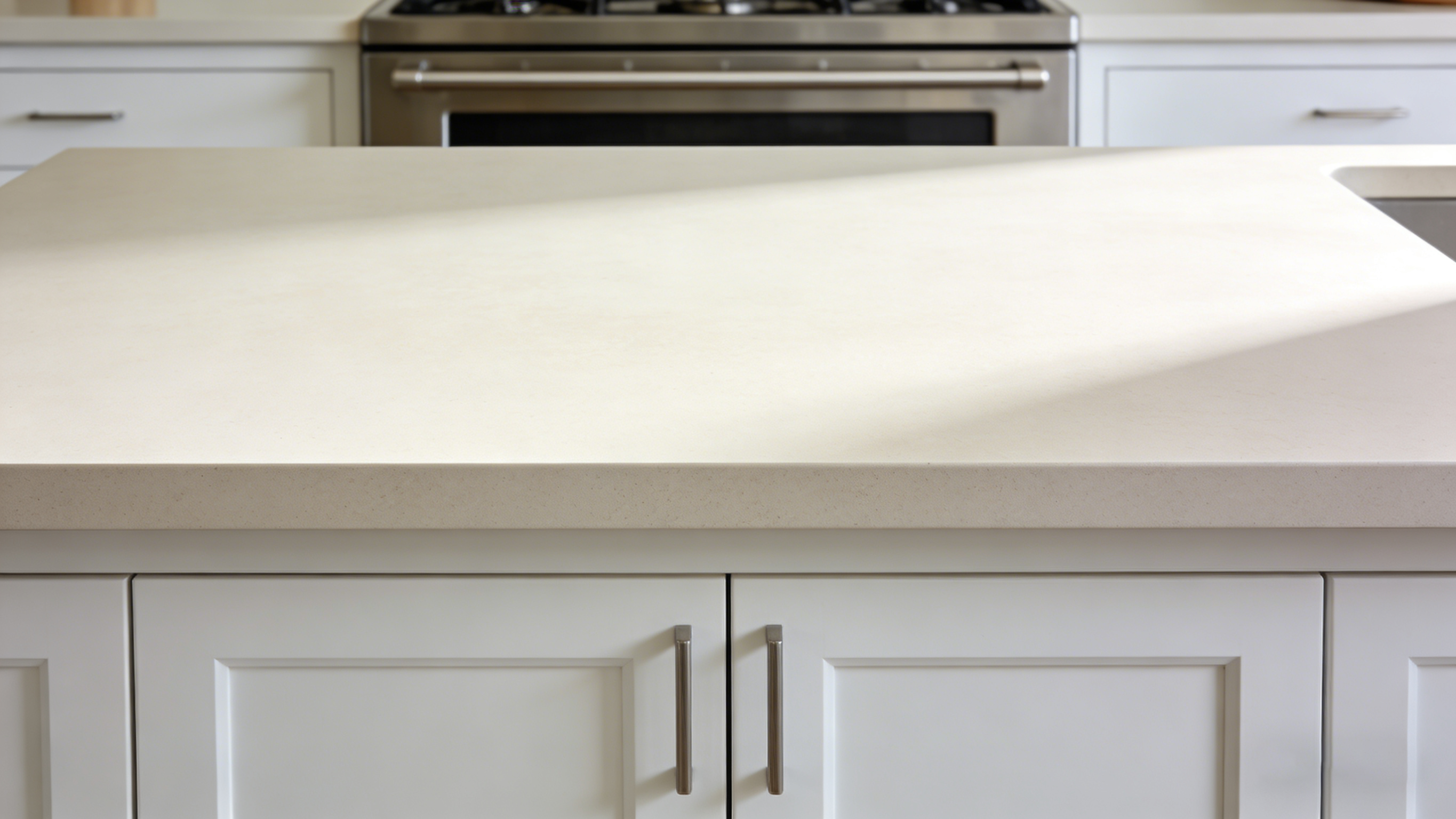
Preparation is just as important as the cutting process itself. Rushing into the cut without properly setting up your workspace is a recipe for mistakes.
Accurate measurements are the foundation of a successful project. Measure the area where the countertop will be installed, accounting for any overhangs or appliance cutouts. Mark your cut lines clearly on the surface using a pencil or masking tape. Masking tape not only makes the line easier to see but also helps protect the surface from scratches during the cutting process.
Place the solid surface sheet on a stable work surface, such as sawhorses. Ensure the sheet is fully supported to prevent it from bowing or cracking under its own weight. Use clamps to hold a straight edge or guide rail along your marked cut line. This guide will keep your circular saw moving in a perfectly straight line, eliminating the "wobbly" look of freehand cuts.
Cutting solid surface material generates a significant amount of fine dust. Always wear safety goggles to protect your eyes and a dust mask or respirator to avoid inhaling particles. Ideally, cut the material outdoors or in a well-ventilated area.
Once your tools are ready and the material is secured, you can begin the cutting process. Follow these steps carefully to achieve a clean, professional edge.
Adjust your circular saw so that the blade extends just slightly below the bottom of the material (about 1/8 to 1/4 inch). Setting the blade too deep creates unnecessary friction and increases the risk of kickback.
Turn on the saw and let it reach full speed before the blade touches the material. Slowly guide the saw along your straight edge. Do not force the saw forward; let the blade do the work. Pushing too hard can cause the material to overheat and melt, resulting in a rough, gummy edge.
As you near the end of the cut, ensure the piece being cut off is supported. If it falls away unsupported, it can tear or crack the remaining material at the very end of the cut.
If you are making a particularly long cut, you might need to pause briefly to let the blade cool down. Overheated blades are a common cause of melted edges in acrylic-based surfaces.
Cutting a hole for a sink requires a different approach than straight cuts. This usually involves a combination of tools.
Trace the Template: Use the template provided by the sink manufacturer to trace the cutout shape onto the countertop.
Drill Pilot Holes: Drill a hole in each corner of the traced area using a spade bit or hole saw. These holes should be large enough to fit a jigsaw blade.
Cut the Shape: Use a router or a heavy-duty jigsaw to connect the holes. A router with a template guide typically yields the smoothest results, but a jigsaw works well for rough cuts that will be sanded later.
Sand the Edges: Once the cutout is removed, sand the inside edges to remove any saw marks and prevent stress cracks from forming.
1
After cutting, the edges of your solid surface countertop will likely be sharp and slightly rough. Finishing the edges gives the countertop a polished, professional look.
A router is the best tool for creating decorative edges. Whether you want a simple rounded edge (bullnose) or a more intricate design, a router bit can shape the material easily. Move the router from left to right (against the rotation of the bit) for the smoothest cut.
Start with medium-grit sandpaper (around 120 grit) to remove saw marks. Progress to finer grits (180, 220, and up to 400 or higher) to achieve your desired finish. For a high-gloss look, you may need to use a polishing compound and a buffer.
If you are still weighing your options, it helps to compare solid surface material against other popular choices. Here is a comparison of key features:
Feature | Solid Surface | Granite | Laminate |
|---|---|---|---|
Seams | Invisible / Seamless | Visible | Visible |
Porosity | Non-porous (Hygienic) | Porous (Needs sealing) | Non-porous |
Repairability | High (Buff out scratches) | Low (Hard to repair) | Low (Cannot repair) |
DIY Friendly | Yes (With right tools) | No (Requires pro tools) | Yes |
For high-quality materials that are easy to work with, explore options from reputable manufacturers like Koris Solid Surface. Their acrylic solid surface sheets are designed for durability and ease of fabrication, making them an excellent choice for DIY enthusiasts and professionals alike.
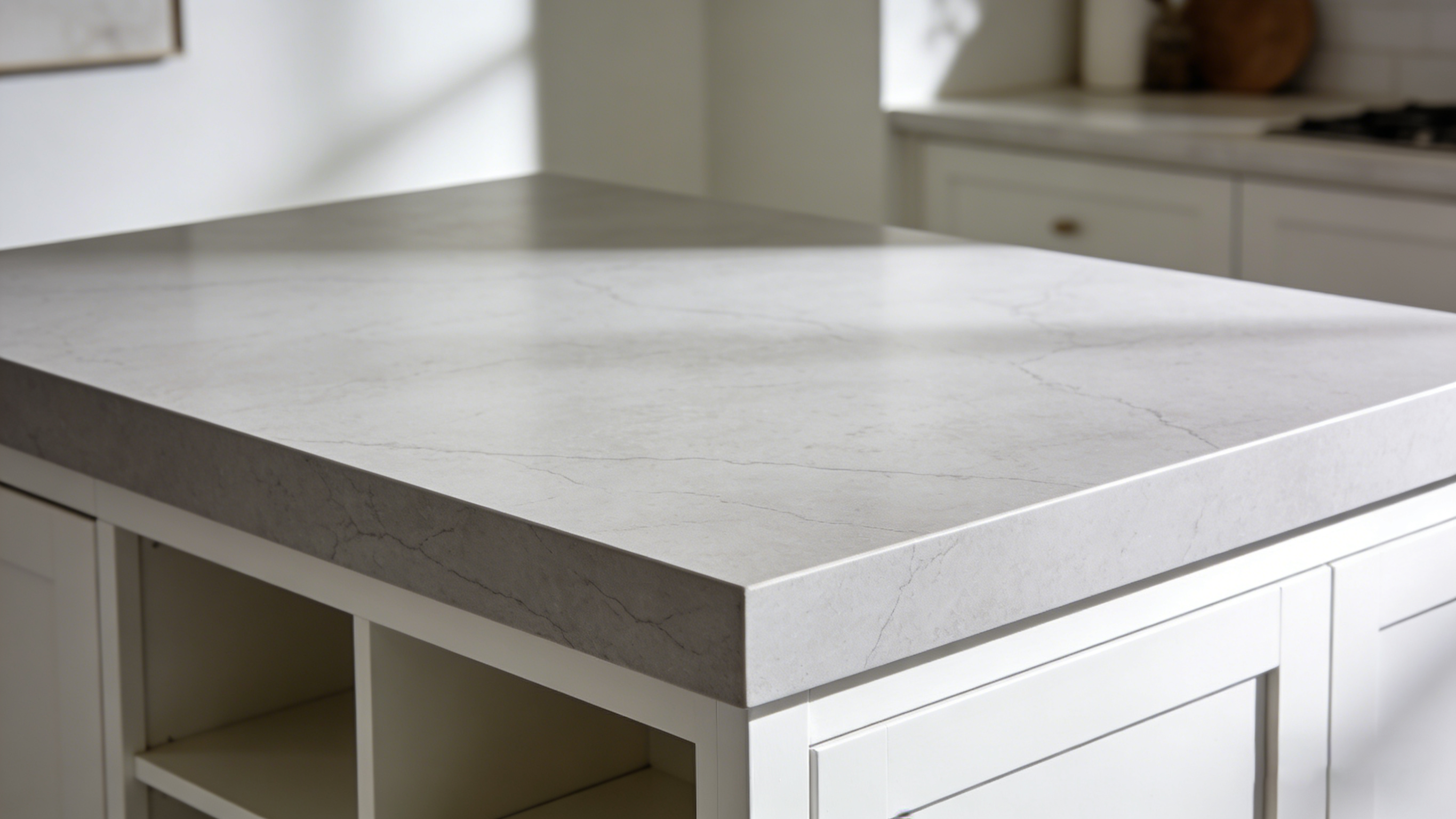
No, using a hand saw is not recommended. It is extremely difficult to get a straight, smooth cut, and the manual effort required is significant. A circular saw with a carbide-tipped blade is the standard tool for the job.
No. Unlike natural stone, solid surface material is non-porous all the way through. Once you cut and sand the edge, it is already sealed and waterproof. You do not need to apply any chemical sealers.
One of the biggest advantages of solid surface material is that it is repairable. If you chip an edge, you can often glue the piece back on using a specialized color-matched adhesive. Once the adhesive dries, you can sand it down until the repair is virtually invisible.
Cutting your own solid surface countertop is a rewarding project that can dramatically improve the look of your kitchen or bathroom. By using the correct blades, securing your material, and taking your time with each cut, you can achieve results that rival a factory finish.
Remember that the quality of your material matters just as much as your technique. Starting with a premium product ensures that your cuts are cleaner and your final installation is durable enough to withstand daily use. With the right preparation and a steady hand, you can transform a simple sheet of material into a stunning, custom surface.


